Top 5 Tips for Choosing the Best Shirt Printer Machine?
When selecting a Shirt Printer Machine, you need expert advice. Jamie Thompson, a prominent figure in the garment printing industry, emphasizes, "The right machine can transform your business." With many options available, making an informed choice is crucial.
Choosing the best Shirt Printer Machine involves understanding your specific needs. Factors like print quality, speed, and usability play significant roles. Not all machines are suitable for every printing business. Researching and comparing different models can save you from costly mistakes.
It's easy to feel overwhelmed by technical specifications. Many buyers get caught up in features rather than practical benefits. Remember, the goal is not just to own a machine, but to enhance your printing capabilities. Prioritize what will truly benefit your workflow.
Understanding Different Types of Shirt Printer Machines
When selecting a shirt printer machine, understanding the different types is crucial. There are several options available: heat transfer printers, direct-to-garment (DTG) printers, and screen printing machines. Each type has its pros and cons, depending on your needs.
Heat transfer printers are great for beginners. They use heat to transfer designs onto garments. However, the prints may fade faster. Consider your budget and the quality you desire. DTG printers offer high-resolution prints and can handle complex designs. Yet, they cost more and require maintenance. Screen printing is ideal for bulk orders. It produces durable prints but can be time-consuming and requires a skillful hand.
Tip one: assess your production volume. If you're doing small runs, DTG might work best. For larger orders, think about screen printing. Tip two: evaluate the print quality you need. High-quality outputs come with certain machines, but be prepared to invest. Equipment selections can either elevate or frustrate your business trajectory. Each machine comes with its challenges. Reflect on your goals and take your time choosing wisely.
Top 5 Shirt Printer Machines Comparison
Evaluating Print Quality and Resolution Standards
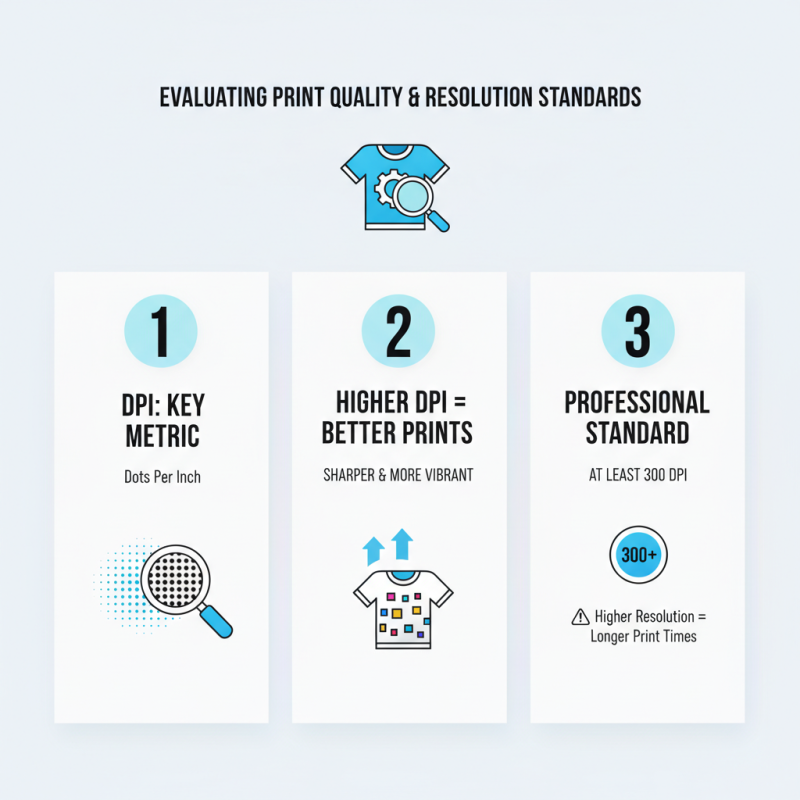
When evaluating print quality and resolution standards for shirt printer machines, it’s crucial to understand the core metrics. A printer's DPI (dots per inch) is a key indicator. Higher DPI usually translates to sharper and more vibrant prints. Aim for a machine that offers at least 300 DPI for professional-grade results. However, be aware that higher resolution can mean longer print times.
Beyond DPI, color accuracy plays a significant role. Look for a printer that can support a wide color gamut. This ensures richer tones and less risk of color mismatch. Assess sample prints if possible. Pay attention to details like color saturation and sharpness in small text. However, some printers might excel in one area but falter in another, so testing is vital.
Another aspect to consider is the type of ink used. Pigment inks are known for their durability and fade resistance. In contrast, dye-based inks typically offer more vivid colors but may fade faster. Reflect on your needs when choosing between these options. Balancing quality and durability might require some compromises, and that reflection can lead you to a more informed decision.
Considering Production Speed and Efficiency Metrics
When selecting a shirt printer machine, production speed and efficiency are critical factors. A higher speed can significantly increase your output. For a busy print shop, a machine that prints 200 shirts per hour may seem beneficial. However, quality should not be sacrificed for speed. A printer producing many flawed shirts can lead to high waste and reprinting costs.
Efficiency metrics include ink consumption and maintenance frequency. A machine consuming less ink may have a higher upfront cost but will save money long-term. Look for models that offer precise ink applications to minimize wastage. Additionally, consider how often the machine requires maintenance. Frequent downtime for repairs can hamper productivity and affect order turnaround.
It's essential to assess how these factors apply to your specific needs. Some machines may be designed for high-volume production, while others excel in detail and color accuracy. Understanding your print volume and quality requirements is key when making a choice. Each option has its pros and cons, and these should align with your business goals. Reflect on your priorities to make the best decision.
Examining Cost and Budget Factors for Printer Selection
When selecting a shirt printer machine, understanding cost and budget factors is crucial. Prices can vary greatly. Some machines are affordable, while others require a significant investment.
Assessing your budget before making a decision is essential.
Consider the initial purchase price but also factor in long-term costs. Maintenance and ink expenses can add up over time. It’s crucial to analyze these ongoing costs to avoid surprises later. A machine that seems cheap upfront might not be the best financial choice in the long run.
When evaluating printer features, think about your production needs. Higher-capacity machines can be more costly but may save you money on bulk orders.
It’s also wise to read reviews and get advice from professionals. They often highlight potential issues with specific models.
Finding the right balance between quality and cost can be challenging, but being informed leads to better choices.
Assessing Support and Maintenance Services Offered by Manufacturers
When selecting a shirt printer machine, support and maintenance services are paramount. Companies often overlook this aspect, focusing mostly on price and print quality. However, a reliable support system can prevent downtime and costly repairs. What happens if your machine malfunctions? A responsive support team can guide you through troubleshooting processes, potentially saving your business from losing valuable time and resources.
Consider the maintenance options available. Some manufacturers offer comprehensive service plans that include regular check-ups and repairs. Others might provide limited support, leaving you in a difficult position when issues arise. A lack of clear communication about maintenance schedules can also lead to frustration. Researching customer reviews can reveal how well manufacturers respond to service inquiries and issues.
Understanding the warranty terms is crucial. A lengthy warranty indicates a manufacturer’s confidence in their machine. However, be wary of the fine print. Some warranties might exclude critical components, exposing you to unexpected costs. It's also essential to know how easily you can access replacement parts. If parts take a long time to arrive, your production could suffer. Always weigh these factors carefully before making your purchase.