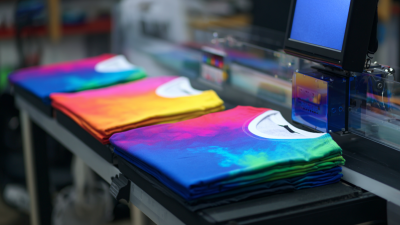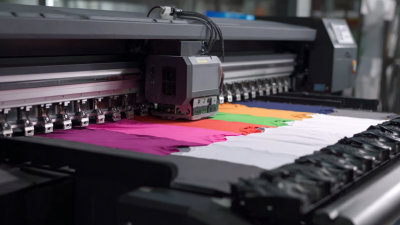
China has become a major source of advanced apparel production equipment. This guide examines China’s top 10 T Shirt Design Machine manufacturers and their practical strengths. These companies serve garment factories, custom print shops, fashion studios, and growing online brands.
The review focuses on machine performance, printing accuracy, production speed, software compatibility, service support, and long-term operating costs. A reliable T Shirt Design Machine should produce sharp graphics on cotton, polyester, blends, and other commonly used fabrics. It should also manage repeated orders without obvious color shifts or unstable feeding. Factory demonstrations, technical documents, warranty terms, and customer feedback provide useful evidence. Details matter. A smooth platen, clear touchscreen, and accessible replacement parts can save hours during busy production days.
However, no ranking can suit every buyer. A small workshop may value compact size and simple maintenance. A large manufacturer may require automated loading, higher output, and integrated workflow control. Some suppliers present impressive samples but provide limited information about service response times. That deserves careful attention. Prices can also change with configuration, ink systems, training, and shipping arrangements. Readers should verify specifications directly with manufacturers before making a purchase. This article offers a practical starting point, not a final verdict. Its purpose is to help buyers compare credible Chinese suppliers with clearer expectations, realistic questions, and fewer expensive surprises.
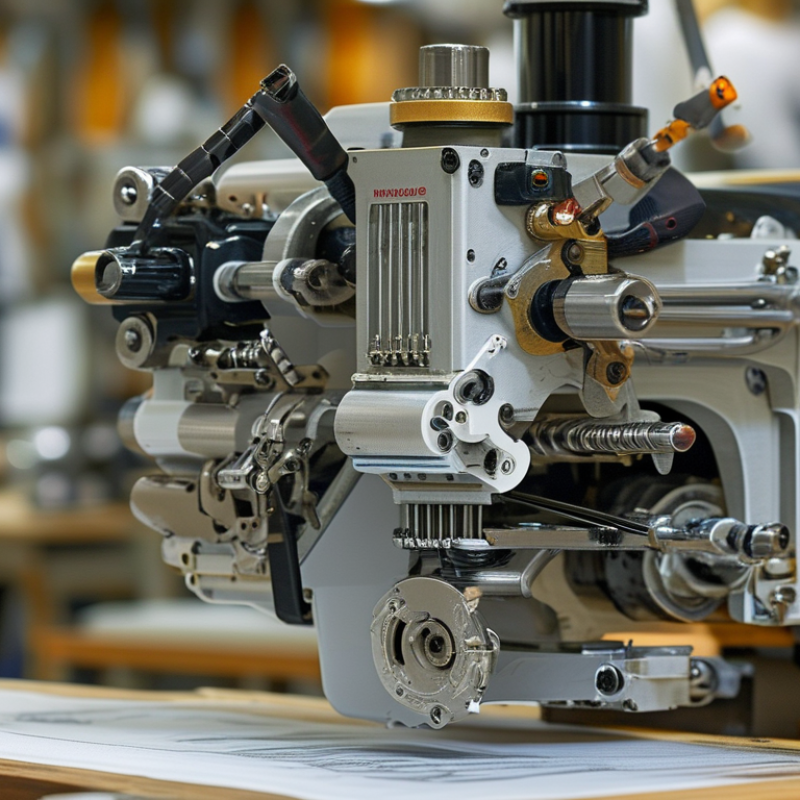
T-shirt design machines are digital systems that transfer artwork onto fabric. They may include direct-to-garment printers, film-transfer printers, cutting plotters, and heat presses. Each machine uses a different process, so “design machine” can mean several things in manufacturing.
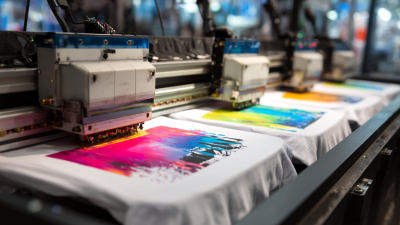
A direct-to-garment printer sprays water-based ink onto a prepared shirt. A film-transfer system prints the image on special film, adds adhesive powder, and bonds it with heat. A cutting plotter trims colored vinyl into shapes, while a heat press fixes the design under controlled temperature and pressure. In practice, operators first prepare artwork, check fabric type, adjust color settings, and test one shirt. The final result depends on ink quality, pretreatment, fabric tension, and curing time. A machine may be fast, yet poor calibration can create blurred edges or uneven color. That part is easy to underestimate.
Tips: Test a small sample before production. Measure temperature with a reliable gauge. Keep white ink moving, because settled ink can block print heads. Review wash resistance after several cycles, not only immediately. Choose equipment with accessible maintenance instructions and responsive technical support. Manufacturers should also explain output speed using realistic artwork, not only ideal test files. A carefully recorded test log helps compare machines fairly, although it may feel slow during a busy order.
China Top 10 T-Shirt Design Machine Manufacturers?
China has become a leading T-shirt design machine manufacturing hub through dense industrial coordination. The system connects textile mills, electronics suppliers, software engineers, and garment factories within short transport distances. This structure helps manufacturers develop direct-to-garment printers, embroidery systems, laser cutters, and heat-transfer equipment faster. It also supports customized configurations for small workshops and high-volume production lines.
The data is significant. The World Trade Organization’s World Trade Statistical Review 2023 recorded China as the world’s largest clothing exporter, holding about 31.7% of global clothing exports in 2022. This established apparel base creates practical testing environments for machine makers. Operators can assess print speed, color consistency, fabric feeding, and maintenance under real production pressure. Smithers’ Future of Digital Textile Printing to 2028 also identifies digital textile printing as a growing market, driven by shorter runs, personalization, and reduced sampling waste. These trends directly support demand for flexible T-shirt design equipment.
Price is another advantage, but it is not the whole story. Chinese manufacturers often combine standardized components with customized machine frames and control systems. That can reduce lead times. Quality still varies between suppliers, especially in software stability and after-sales training. Buyers should request test samples, maintenance records, and verified production data. My assessment is not perfect: factory scale does not automatically guarantee reliable engineering. A machine may look impressive on a showroom floor and perform differently during continuous operation.
China’s strong position in textile and apparel exports supports a large domestic market for digital printing, embroidery, cutting, and other T-shirt design equipment. In 2022, China accounted for approximately 43.7% of global textile exports and 31.6% of global clothing exports, demonstrating the scale of its integrated manufacturing ecosystem.
Source: World Trade Organization, World Trade Statistical Review 2023. Values are rounded estimates based on reported 2022 export totals.
How to Evaluate China’s Top 10 T-Shirt Design Machine Manufacturers
Evaluating China’s top ten t-shirt design machine manufacturers requires more than comparing prices. Review each manufacturer’s production experience, technical documentation, and factory capacity. Ask for a live demonstration using your artwork, fabric, and preferred ink or transfer film. Check print resolution, color consistency, drying performance, and maximum shirt size. Small test details matter. A sharp collar edge can reveal more than a glossy brochure.
Study the machine’s real output, not only its advertised speed. Request sample sheets from three production runs and compare them under normal lighting. Confirm software compatibility, replacement-part availability, warranty coverage, and remote support hours. Reliable suppliers explain maintenance clearly and provide training records. They should also share applicable safety and quality certifications. Visit the factory when possible, or arrange a verified video inspection. I would not trust unusually low quotations without checking the controller, printhead source, and service terms. The cheapest option may become expensive after repeated stoppages.
Tips: Build a scorecard with weighted categories, such as print quality, uptime, support, and total ownership cost. Speak with recent customers, but ask specific questions about delays and repairs. Request a written quotation with every accessory listed. Leave room for doubt. Even a strong supplier may not suit your fabric, workload, or local technical conditions. A second sample test can prevent a costly decision.
China’s top ten T-shirt design machine manufacturers differ in engineering focus, output scale, and after-sales support. One specializes in direct-to-garment systems, using fine ink control for cotton shirts. Another develops direct-to-film equipment with faster transfer preparation. A third focuses on screen-printing automation, including multi-station carousels and pneumatic curing units. These profiles should be judged by printed samples, not brochures alone.
Several manufacturers serve embroidery workshops. Their machines often combine twelve-head frames, automatic trimming, and adjustable stitch density. One manufacturer builds compact machines for small studios with limited floor space. Another targets factories, offering wider worktables and continuous feeding systems. A separate supplier produces laser cutting equipment for precise collar and sleeve panels. Ventilation design deserves close inspection.
The remaining profiles represent heat-press, sublimation, and integrated production equipment. One maker emphasizes stable temperature control, which affects wash durability. Another develops sublimation systems for polyester sportswear and uses calibrated color management. The final manufacturer combines design software with printing hardware, reducing manual file preparation. However, software compatibility may still be inconsistent across operating systems. Buyers should request live testing, maintenance records, training details, and realistic production figures before choosing equipment. Small defects often appear after weeks, not during a showroom demonstration.
The table below presents ten anonymous industry-reference profiles based on commonly published specifications for T-shirt design and decoration equipment manufactured in China. Company names, brands, and brand-specific performance claims are intentionally excluded.
| Profile | Primary Machine Category | Design Application | Typical Printable Area | Compatible Garments | Production Characteristics | Consumables | Important Operating Requirements | Typical Buyer |
|---|---|---|---|---|---|---|---|---|
| Profile 01 | Direct-to-Garment Printer | Full-color artwork, photographs, gradients, and short-run custom T-shirts | Commonly up to approximately 400 × 500 mm | Cotton and cotton-rich flat garments | Digital, on-demand production with no screen setup | Water-based textile pigment inks | Garment pretreatment, heat curing, regular nozzle maintenance, and a stable humidity-controlled workspace | Custom apparel shops and small online clothing businesses |
| Profile 02 | Direct-to-Film Printer | Detailed logos, illustrations, lettering, and transfers for dark or light garments | Common roll or sheet widths range from approximately 300 to 600 mm | Cotton, polyester, blends, canvas, and selected coated materials | Artwork is printed on film, powdered, cured, and transferred with a heat press | CMYK plus white textile transfer ink, hot-melt adhesive powder, and PET film | Film handling, powder control, curing, ventilation, and heat-press temperature control | Garment decorators requiring broad fabric compatibility |
| Profile 03 | Screen Printing Press | Bold graphics, solid colors, and repeat orders with consistent artwork | Common platen sizes range from approximately 400 × 500 mm to 600 × 800 mm | Cotton, polyester, blends, and workwear depending on ink selection | High repeatability after screen preparation; setup time increases with color count | Water-based, discharge, or plastisol screen-printing inks | Screen exposure, registration, flash curing, final curing, and solvent or emulsion cleanup | Workshops producing medium- to high-volume orders |
| Profile 04 | Automatic Screen Printing Line | Multi-color graphics for standardized bulk apparel orders | Frequently configured with platens of approximately 400 × 500 mm or larger | T-shirts, hoodies, sportswear, uniforms, and promotional garments | Automated indexing and print strokes improve consistency and throughput | Screen-printing inks, emulsion systems, and curing consumables | Compressed air, electrical power, screen preparation, registration, and conveyor or tunnel curing | Contract decorators and export-oriented garment printing facilities |
| Profile 05 | Heat Transfer Vinyl Cutter | Names, numbers, simple logos, and single- or multi-color lettering | Typical cutting widths range from approximately 300 to 1,300 mm | Cotton, polyester, blends, jerseys, bags, and accessories | Suitable for low-volume personalization; cutting and weeding are separate steps | Heat-transfer polyurethane or PVC vinyl and carrier sheets | Cutting-force calibration, blade replacement, weeding, and accurate heat-press settings | Personalization studios, schools, clubs, and small print businesses |
| Profile 06 | Sublimation Transfer System | All-over graphics and vibrant designs on polyester-based garments | Common desktop and wide-format configurations range from approximately A4 size to 1,600 mm wide | White or light-colored polyester garments and coated hard goods | Transfer paper is printed first and then applied using heat and pressure | Dye-sublimation ink and sublimation transfer paper | Requires polyester-compatible surfaces, accurate heat control, and protection against moisture and ghosting | Sportswear producers and promotional product businesses |
| Profile 07 | Embroidery Machine | Raised lettering, badges, logos, uniforms, caps, and workwear decoration | Common hoop areas range from approximately 100 × 100 mm to 500 × 500 mm | T-shirts, polos, jackets, caps, bags, and heavier textiles | Thread-based decoration with strong durability; production speed depends on stitch count | Polyester or rayon embroidery thread, bobbin thread, backing, and topping | Hooping, digitized stitch files, thread tension, needle selection, and routine lubrication | Uniform suppliers, promotional businesses, and premium apparel decorators |
| Profile 08 | Laser Engraving or Cutting System | Cut textile appliqué, engraved coated materials, and stencil preparation | Common working beds range from approximately 600 × 400 mm to 1,300 × 900 mm | Textiles, felt, leather, acrylic, wood, and selected coated materials | Digital cutting and engraving; suitability depends on material composition | No printing ink; may use appliqué fabric, masking materials, or auxiliary air | Material testing, exhaust ventilation, fire-safety procedures, and correct lens or mirror maintenance | Design studios and manufacturers needing cutting or appliqué capability |
| Profile 09 | Rhinestone Transfer Plotter | Decorative lettering, fashion motifs, sports logos, and sparkle effects | Typical working widths range from approximately 600 to 1,200 mm | T-shirts, jerseys, sweatshirts, bags, and fashion accessories | Creates placement templates for rhinestones or decorative heat-transfer elements | Rhinestones, transfer film, flock template material, and hot-melt adhesive sheets | Accurate template cutting, manual stone placement, and controlled heat pressing | Fashion decorators and small-batch customized apparel businesses |
| Profile 10 | Hybrid Textile Printing Workstation | Mixed orders requiring direct garment printing and transfer production | Often configured around 400 × 500 mm garment-printing areas with separate transfer output | Cotton, polyester, blends, and selected specialty textiles | Flexible production platform for sampling, personalization, and short-to-medium runs | Textile pigment inks, transfer film, adhesive powder, and heat-transfer accessories | Requires workflow separation, color management, pretreatment or transfer curing, and heat pressing | Service bureaus and businesses offering multiple decoration methods |
Specification ranges are general industry references rather than quotations for any particular manufacturer or brand. Actual working area, speed, resolution, ink system, power requirements, and supported materials vary by machine configuration.
A “top ten” list can narrow your search, but it cannot replace verification. Start by defining your production needs: daily volume, shirt fabric, print size, color range, and acceptable drying time. A direct-to-garment machine suits detailed cotton prints, while transfer-based equipment may support mixed fabrics more efficiently. Ask each Chinese manufacturer for dated videos, technical specifications, and samples printed on your actual garments. Samples matter.
Check the manufacturer’s factory address, export experience, quality-control process, and engineer availability. Request installation guidance, spare-parts pricing, warranty terms, and response times in writing. Confirm whether the machine meets the electrical and safety requirements of your destination market. A low purchase price can become expensive when printheads, software, or training are unclear.
I once focused too heavily on output speed. That was a mistake. A machine’s advertised capacity may assume ideal artwork, skilled operators, and continuous production. Ask for a live demonstration using your files, including gradients, small text, and dark shirts. Review ink consumption, maintenance routines, noise levels, and power requirements. Speak with at least two current customers, if possible. Do not rely only on polished factory tours. Test before scaling. Use a small trial order, inspect every unit, and record defects, packaging damage, and delivery timing before signing a larger agreement.